“Should we choose Sanskrit because students often score well in it?”
“Will Marathi be easier for my child?”
“Is Hindi better for the future?”
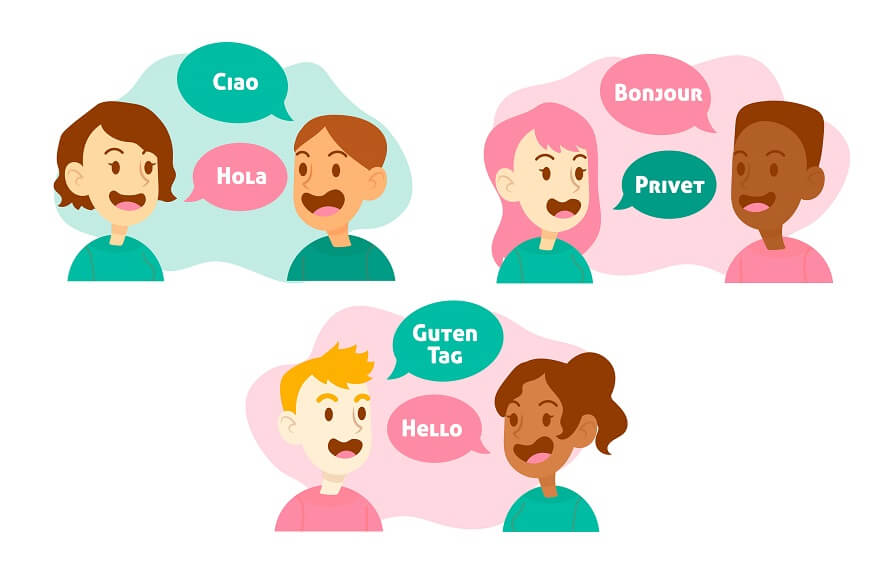
Nowadays, these are the kinds of discussions happening in many homes. As schools introduce more language options from middle school onwards, parents are spending extra time understanding what would actually suit their child. Third language learning is becoming an important part of middle school academics, and CBSE Schools in Nagpur are now introducing clearer guidance about language options and curriculum structure. Earlier, students rarely had to think deeply about language choices. Now, choosing R3 language has become an important part of academic planning. The difficulty lies in the fact that each child learns differently. While some students learn best by speaking and listening, others may prefer grammar and writing. For this reason, parents shouldn’t choose a language based solely on recommendations from friends, neighbours, or family. Understanding how many languages fit a child’s personality, learning style, and future needs is a superior strategy.
Why Third Language Selection Feels Confusing Today?
A few years ago, many children simply followed the language options suggested by the school. Today, involvement during CBSE School admission has become much more detailed, with schools explaining subject combinations, teaching methods, and third language choices more clearly. This confusion is natural because students already manage homework, projects, activities, and multiple subjects. Adding another language can make the academic workload feel heavier in the beginning. For example, CBSE School admission in Nagpur now includes clearer guidance about third language subjects so students can adjust more comfortably to new learning patterns. The good thing is that most Indian languages become easier when children learn them through regular practice instead of memorisation alone.
What Parents Should Think About Before Selecting a Language?
Before making a decision, parents should look beyond marks. Language learning works best when the child feels comfortable and interested.
Daily Exposure Is Important
When children are exposed to the language in their environment, they pick it up more quickly. Students in Maharashtra, for example, could be able to understand Marathi words that are used in public spaces, markets, and neighbourhoods. For many students in the state, Marathi is therefore regarded as one of the easiest Indian languages to learn.
Every Child Has a Different Learning Style
Some students enjoy grammar-based learning. Others prefer storytelling, conversation, or reading. A language that feels simple for one child may feel difficult for another.
This is why choosing R3 language should never become a comparison between children.
Long-Term Comfort Is Important
Parents sometimes select subjects only because someone says they are scoring. However, learning becomes frustrating later on if a child finds it difficult to maintain focus. A well-considered choice is always preferable to a hurried one.
Understanding Popular Language Choices
While options vary among institutions, students tend to choose certain Indian languages more frequently.
Hindi
Hindi is excellent for everyday communication because it is widely spoken throughout India. Learning becomes easier because many kids are already exposed to Hindi through social interactions, movies, and television.
Marathi
Because students in Maharashtra hear Marathi regularly outside school, many feel more comfortable choosing it as a third language. Regular exposure can make Marathi one of the easy Indian languages to learn for local children. A good School in Nagpur often encourages students to use Marathi in everyday communication instead of limiting learning only to textbooks and exams.
Sanskrit
Sanskrit is popular among students who enjoy structured grammar and organised patterns. It is also commonly discussed among parents searching for scoring third languages.
However, students still need regular practice to perform well. Good marks are not always guaranteed just by selecting Sanskrit.
Are Marks the Only Thing That Matter?
Families search online for scoring third languages because academic performance is naturally important. But marks should not become the only deciding factor.
Imagine two students:
- Sanskrit is chosen since friends say it’s simple to get good grades.
- Another chooses Marathi because they genuinely enjoy hearing and speaking the language.
The second student might eventually feel more at ease and confident while studying. Consistency is typically enhanced by interest, and consistency strengthens results.
Teachers at a CBSE School in Nagpur often advise parents to consider both comfort and aptitude rather than selecting subjects just on the basis of popularity.
Why Language Learning Helps Beyond School?
Children do not learn languages only for exams. Communication, confidence, the ability to hear, and cultural awareness are all enhanced by language proficiency. A student who knows multiple Indian languages may later feel more comfortable:
- Travelling to different states
- Communicating with several groups of individuals
- Understanding regional cultures
- Participating in public communication activities
That is why choosing R3 language should be seen as a learning opportunity rather than just another school subject.
Best School in Nagpur is often designed to feel more natural and student-friendly through regular practice, speaking activities, and interactive learning methods.
The Role of Schools in Language Learning
Children’s experiences with language education are greatly influenced by the school setting.
A child learns better when:
- Teachers encourage speaking practice
- Stories and activities are included
- Students participate without fear
- Learning feels natural and engaging
During CBSE School admission in Nagpur, schools are giving more attention to helping students adjust smoothly to new language subjects and learning patterns. Several CBSE Schools in Wardhaman Nagar are also focusing on activity-based learning methods where students learn through conversation, reading exercises, and classroom interaction.
Why Is It Not Always a Good Idea to Follow Friends?
Sometimes children pick subjects just because their close friends did. Even though this could feel welcoming at first, it doesn’t necessarily function well over time.
For example:
- A child who enjoys reading may prefer Hindi literature.
- Another student may enjoy grammar-heavy subjects like Sanskrit.
- Some students may feel more connected to regional languages like Marathi.
The best third language for students depends on personal comfort, not group decisions. Language options and subject comfort have become important discussions during CBSE School admission before finalising the learning plan for students.
How Parents Can Make Language Learning Easier at Home?
Small daily habits can make a huge difference in language learning.
Parents can:
- Encourage children to read short stories
- Watch cartoons or shows in the selected language
- Practise simple conversations casually
- Appreciate effort instead of only marks
When children connect language learning with daily life, they become less afraid of making mistakes. This is especially useful for students learning completely new languages for the first time.
Choosing Between Easy and Useful
Sometimes parents get confused between selecting a language that feels easy and one that may help later in life. The truth is that both factors matter. A child should not feel constantly pressured by the subject. At the same time, learning a useful Indian language can improve communication and cultural understanding in the future.
That is why parents searching for the best third language for students often discuss:
- Practical usage
- Exam difficulty
- Child’s interest
- Future comfort
Best School in Nagpur help parents balance all these factors instead of promoting only one language option.
Why Regional Languages Still Matter?
In today’s digital world, some people think only English matters. But Indian languages continue to play a major role in communication, local culture, and social interaction.
Regional languages help children:
- Connect with traditions
- Understand local communities
- Communicate confidently in public spaces
- Build stronger cultural awareness
Because of this, several parents now prefer schools that encourage multilingual learning. Most CBSE Schools in Wardhaman Nagar are now using conversations, storytelling, and classroom activities to make regional language learning more interactive for students.
How Schools Support Students During Transition?
Children may initially feel nervous while adjusting to a third language. Good schools understand this and provide gradual support.
A supportive CBSE School in Nagpur often helps students through:
- Step-by-step learning methods
- Simple classroom activities
- Reading practice
- Interactive assignments
- Encouraging participation without pressure
This approach makes even difficult subjects feel manageable over time.
Schools in Nagpur are strengthening language learning through simpler teaching methods, speaking practice, and step-by-step classroom guidance for students.
FAQs
Which is the best third language for students?
The best third language for students depends on their interest, comfort, and learning style. Different students may prefer different languages.
What are some easy Indian languages to learn?
Languages students hear regularly, like Marathi or Hindi, are often considered easy Indian languages to learn.
Which are considered scoring third languages?
Many students consider Sanskrit among the scoring third languages because of its structured grammar and exam pattern.
What should parents think about while choosing R3 language?
While choosing R3 language, parents should consider the child’s interest, comfort, and familiarity with the language.
Do schools guide students in language selection?
Yes, many schools guide parents during CBSE School admission by explaining language options and helping families understand which language may suit the child better. A good School in Nagpur also supports students through proper teaching methods and learning guidance.
Conclusion
Choosing the right third language is not simply about marks or selecting what others prefer. Every child learns differently, and the best decision is one that matches the student’s comfort, interest, and learning style. While many parents look for easy Indian languages to learn, long-term confidence and understanding matter just as much. When parents, teachers, and children calmly and intelligently explore the possibilities, the process of choosing R3 language becomes much simpler. Learning a language can help students develop intellectually, socially, and personally with the correct direction and support.
At Centre Point School, parents receive proper guidance about third language options during the admission process. The school encourages students to choose a language based on their interest and learning comfort. Enquire now to know more about CBSE School admission in Nagpur and how Centre Point School is supporting overall student development.